Comme je l’ai somewhere – et c’est presque banal : un vrai truisme* – Tolstoï en impose. Du haut de son piédestal et de son panthéon, il semble nous regarder de haut et menacer de nous assommer, avec ses grands romans. Jusque là, rien de bien nouveau sous le soleil : cela évoque l’autocensure.
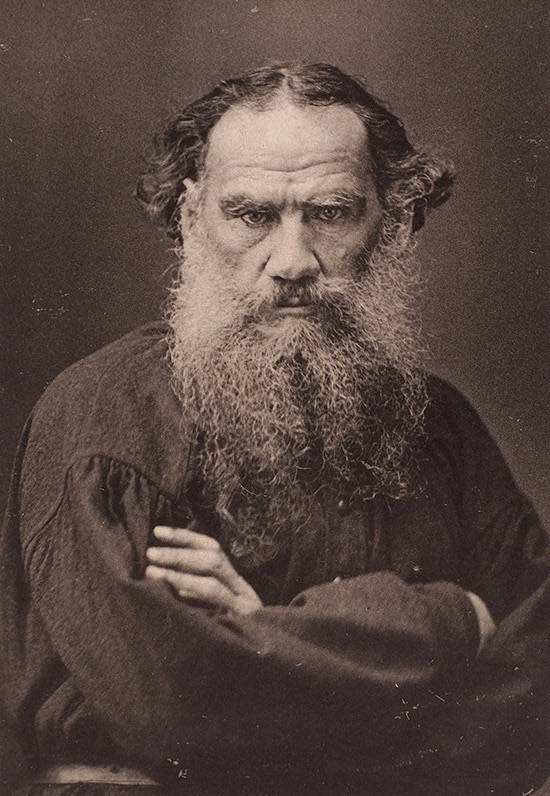
Tolstoï in 1885, 4 ans before publication of Resurrection
De fait, la littérature – notamment avec les classiques russes – regorge de romans aussi monumentaux qu’intimidants. Pourtant, lorsqu’on y prend goût, ils apparaissent comme autant d’opportunités d’exception.
En effet, l’une des spécificités de la grande littérature – particulièrement bien illustrée avec “Résurrection”, thème de ce jour – est qu’elle dépasse la seule question du style, pour devenir aussi une affaire d’idée.
Or, la force des grandes œuvres, leur puissance même, par delà les modes et les décennies, réside dans leur idée force, avec le leitmotiv qui les sous-tend, tel un “super objectif”, comme dirait Stanislavski (au sens d’une intention qui transfigure une œuvre).
Dans ce roman, on trouve justement deux de ces “idées forces” :
- Sur la valeur intrinsèque des institutions, et leur possible perversion à des fins toutes personnelles (le pouvoir, la position sociale, l’enrichissement…) ;
- La question de la régénérescence intérieure, qu’on pourrait aussi appeler “rédemption”, voire – comme l’appelle Tolstoï : “résurrection”. Bien évidemment, la connotation chrétienne du titre est évidente – non seulement pour nous autres, lecteurs du XXIème siècle qui avons baigné dans un anticléricalisme plus ou moins primaire, mais même pour les contemporains de l’auteur ! Il s’agit donc vraisemblablement d’un frein, car le mot et l’idée associée génèrent, pour beaucoup, une véritable appréhension. C’est dommage, sans doute, mais pas tellement étonnant. En effet, Tolstoï, dans la dernière période de sa vie, était devenu une sorte d’anarchiste, qui ne rechignait pas à la provocation. Mais il s’agit, aujourd’hui encore, d’une provocation féconde, pour peu qu’on l’affronte et qu’on la dépasse. Selon moi, ce type de lecture stimule en effet la réflexion – et c’est, avec l’émotion, le mieux qu’il puisse nous arriver en littérature.
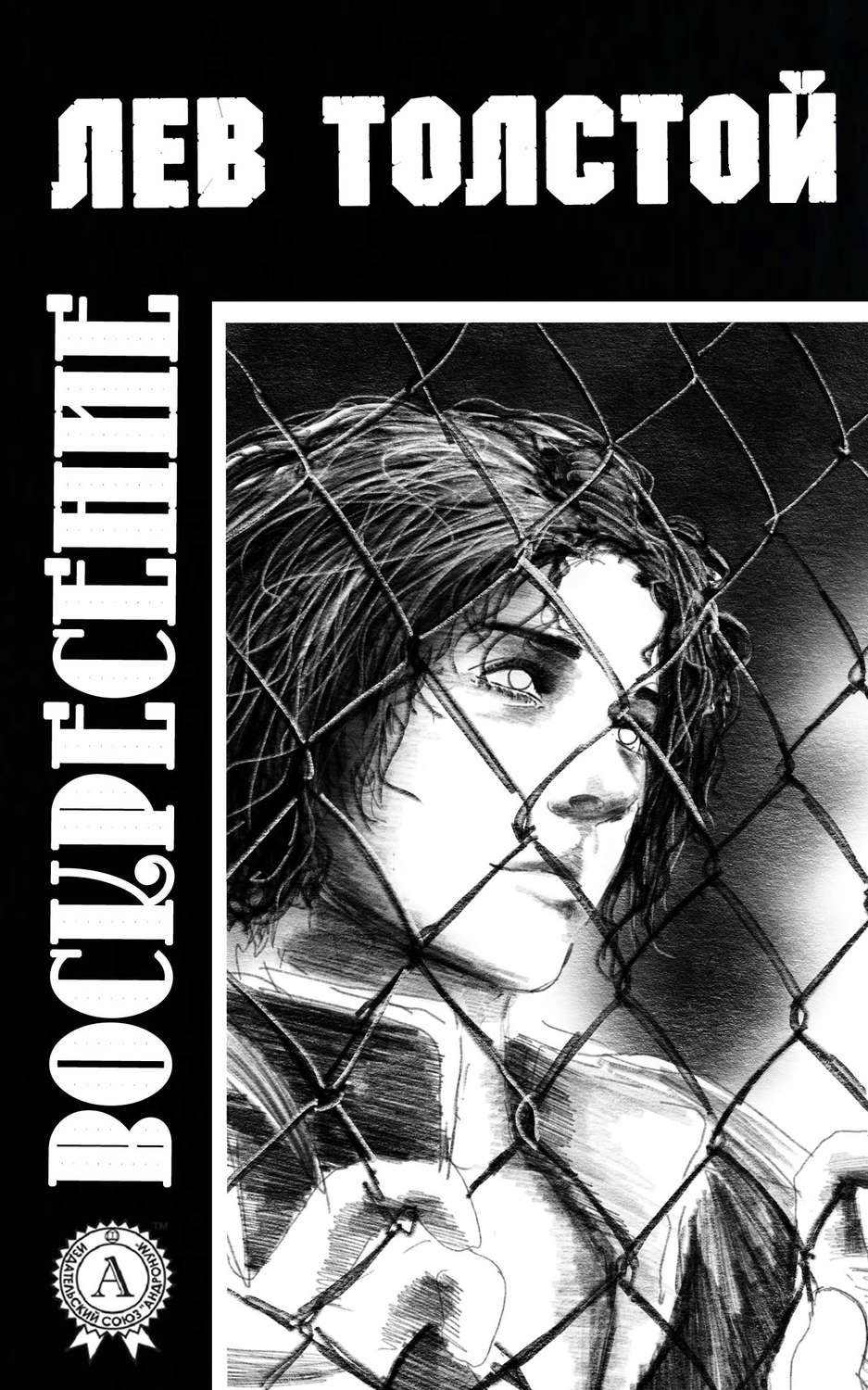
Tolstoï en était donc arrivé à une démarche “iconoclaste”. Il n’hésitait plus à s’en prendre frontalement aux institutions et même, d’un certain point de vue, à brûler ses vaisseaux.
Sans être spécialiste ni de sa vie, ni de son œuvre (loin de là), cette impression n’en saute pas moins aux yeux, dans le texte, à la manière d’une évidence objective.
D’ailleurs, pour l’anecdote, cette confrontation à l’ordre établi était si affirmée que ce livre fut interdit par les autorités. De même, suite à cet ouvrage, Tolstoï fut frappé d’excommunication** par l’Eglise orthodoxe pour une raison simple : il y décrit le culte pratiqué au sein d’une prison et l’on y lit le pire qui puisse arriver avec la religion : un rite sans fond. Or, quand l’écriture acérée fait mouche, la vérité fait mal, très mal. Il y a là une dimension subversive, au sens où un tel texte est susceptible de faire prendre conscience aux lecteurs d’une réalité peu glorieuse, et donc le pousser à se détacher du système sacro-saint (nos politiciens actuels appelleraient cela “séparatisme”…) Cela ne pouvait donc que déplaire à certains et notamment aux puissants.
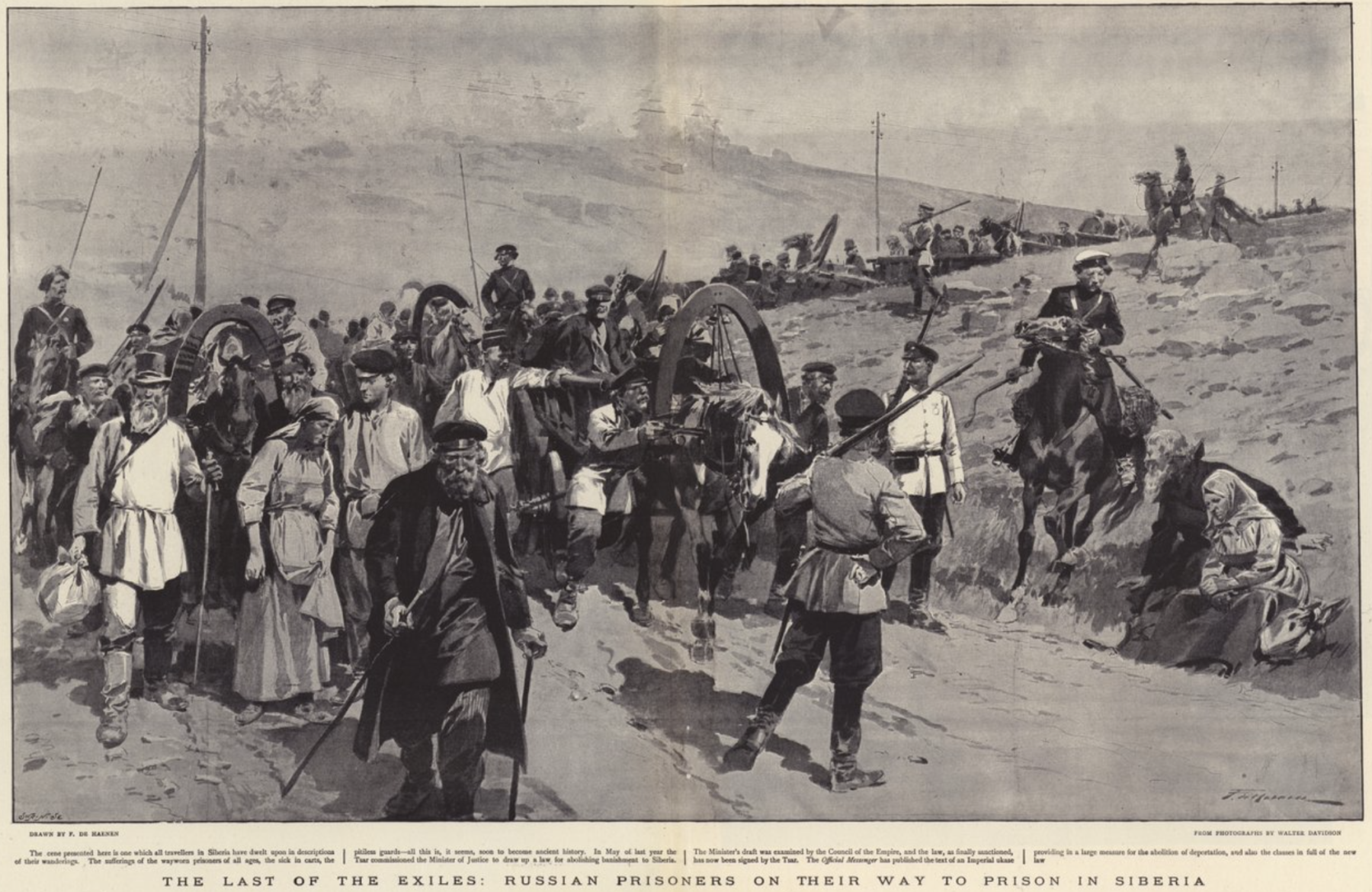
Au-delà de l’Eglise instituée, Tolstoï s’attaque ici à d’autres institutions auxquelles, notamment à la Justice et au système carcéral.
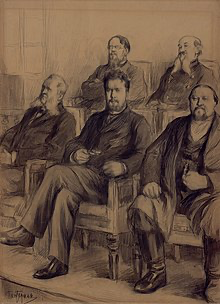
Tout commence par une mise en situation : on entre dans l’édifice du tribunal, on voit son cérémonial empesé et on finit par assister aux monologues intérieurs de ses éminents représentants – procédé que Tolstoï maitrise comme personne. Les pensées secrètes du juge, de l’avocat de la défense, ou encore du procureur sont des plus banales, terre à terre, égoïstes – du niveau de celles de monsieur et madame tout le monde, en somme… Rien de plus naturel, finalement, sauf que le destin des prévenus se joue au même moment, leur tête peut-être, au sens le plus concret du mot. Et lorsque l’un des représentants ne pense pas à son dîner ou à son mal de dos, alors il utilise le procès pour se faire mousser et avancer la carrière – qu’importe que les prévenus soient coupables ou non…
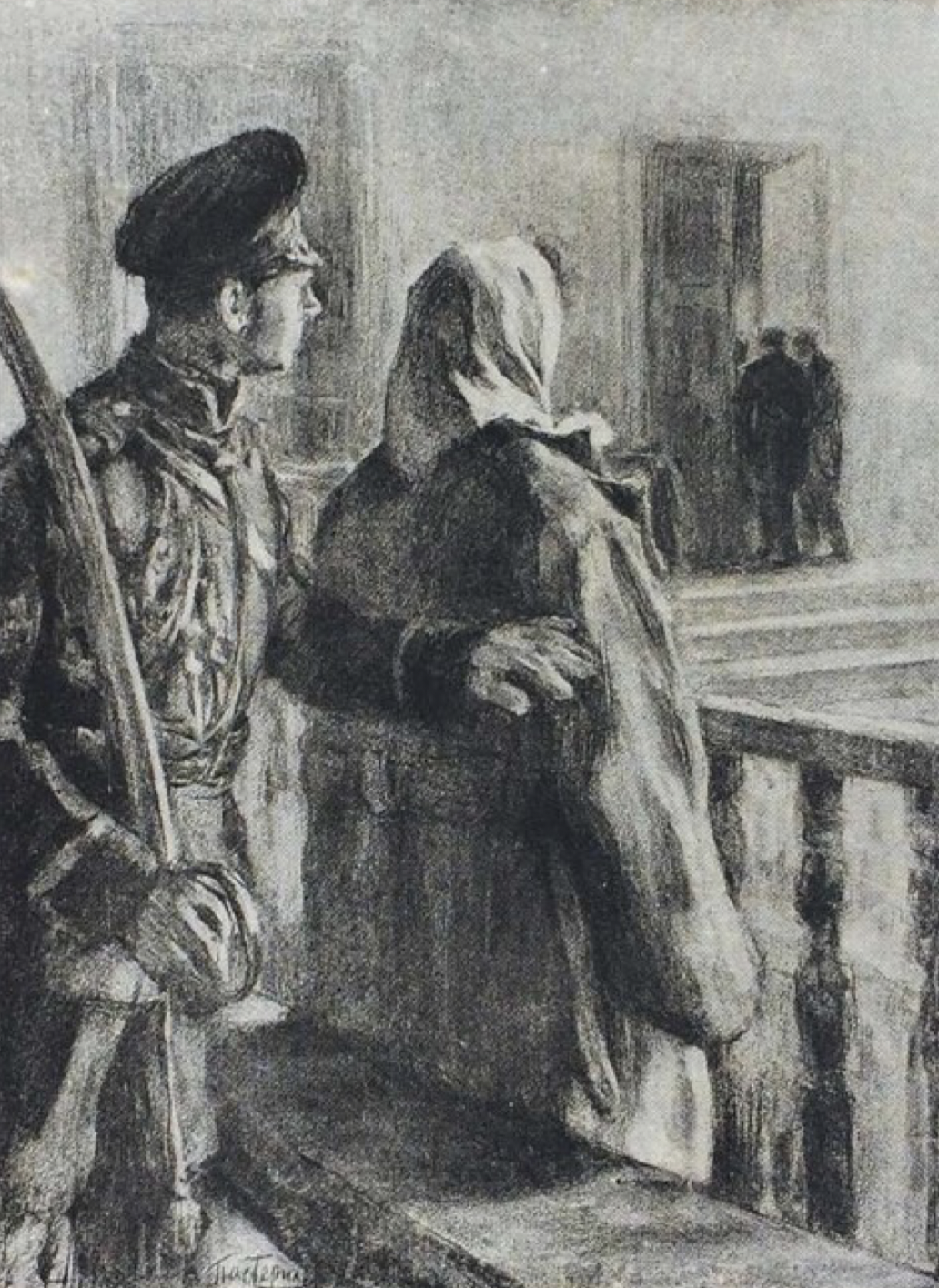
Evidemment, ces magistrats et autres ne sont pas des surhommes, mais ils sont tout de même censés représenter la Justice (celle des hommes, au moins) et font ainsi l’objet d’une concentration de pouvoir inouïe et franchement déraisonnable. En quelques mots, le scandale est exposé au grand jour.
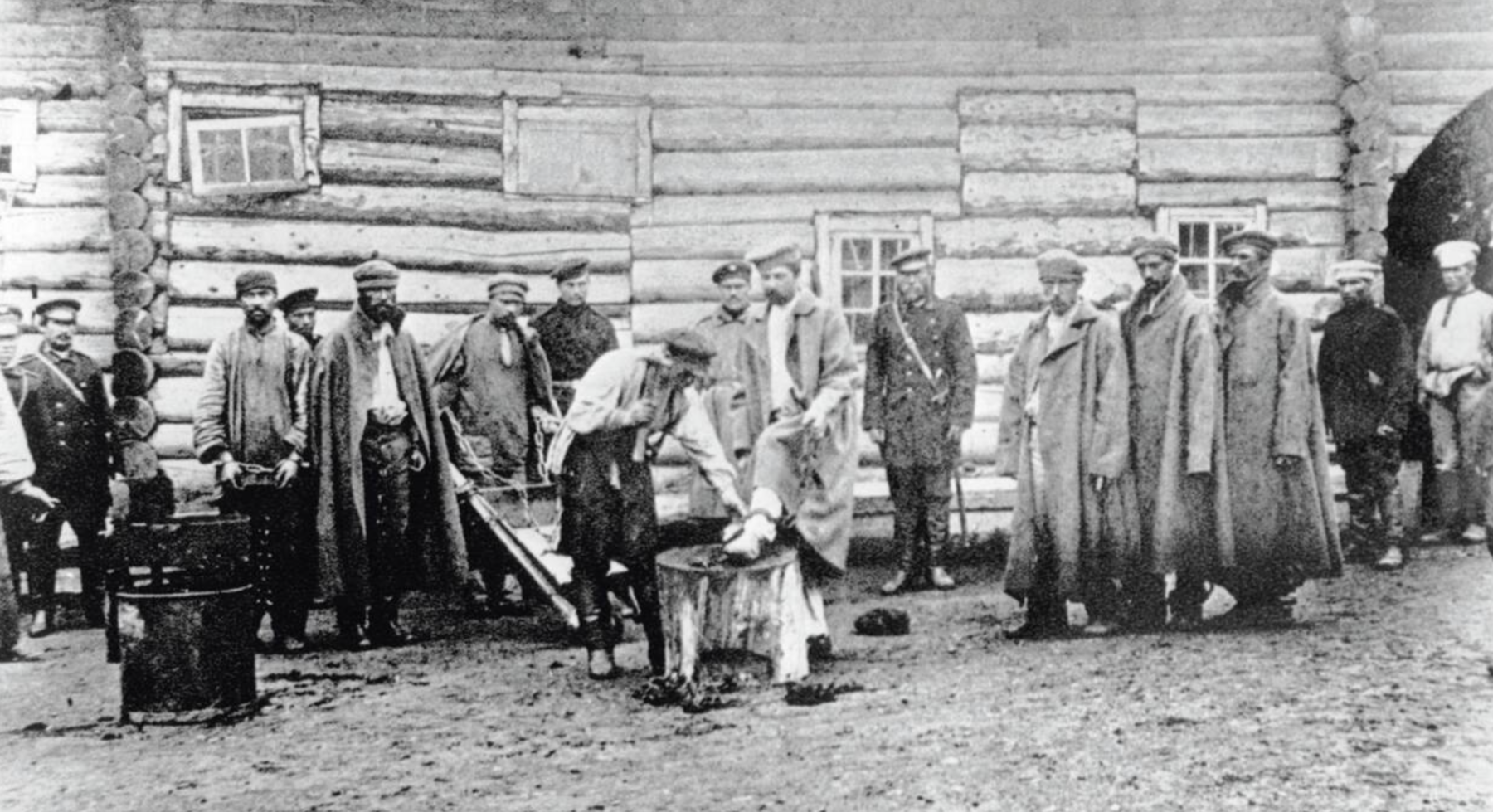
Photo taken by Anton Chekhov, at the Sakhaline islands, in the 1900's. He shared some conceptions with Tolstoy and new him quite well.
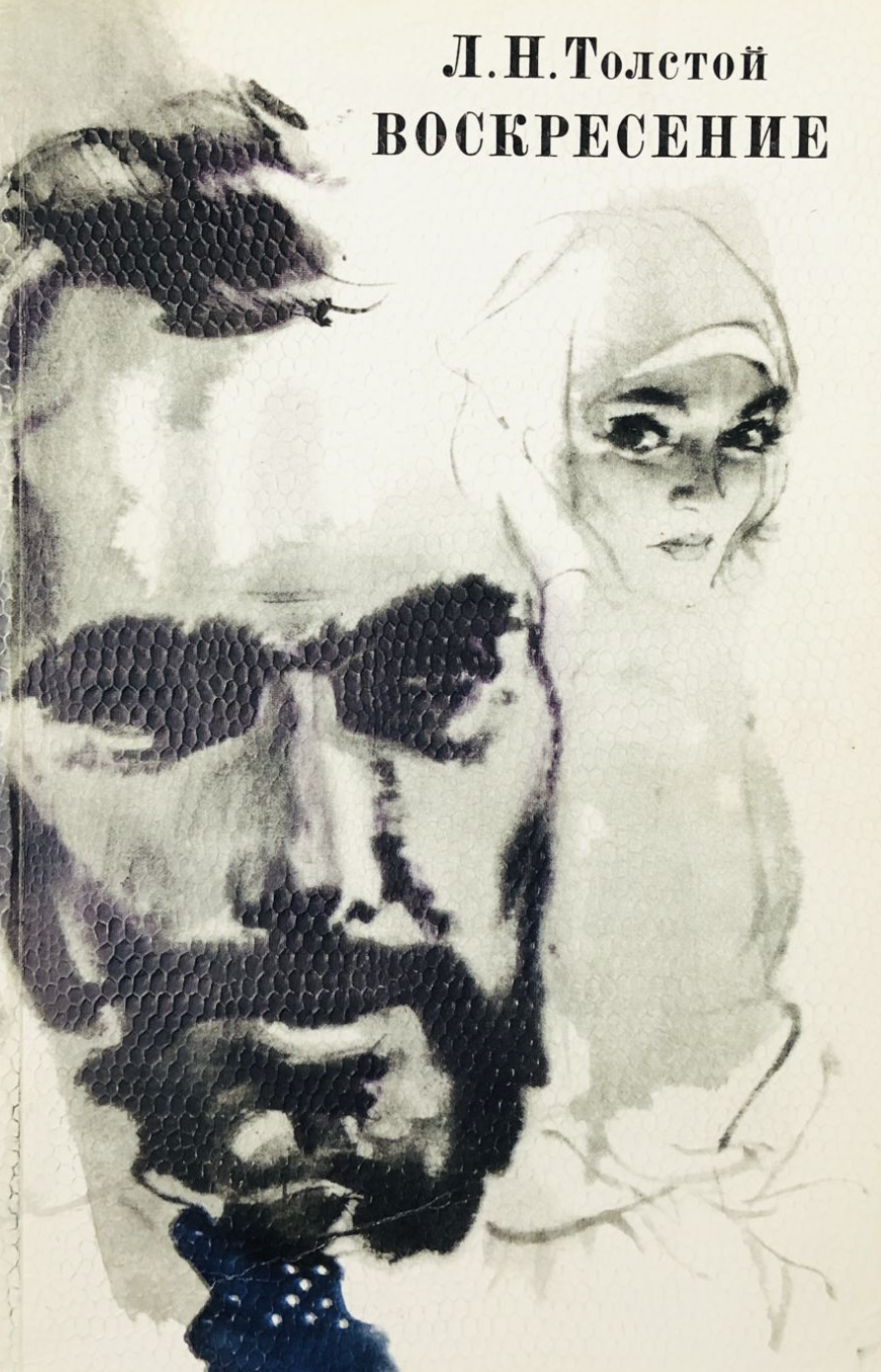
Dans ce dernier “grand roman”, dans le style n’est pas sans vigueur, on retrouve des éléments spécifiques à l’écriture de Tolstoï : une psychologie fine, ces fameux dialogues intérieurs et une force qui porte l’histoire de bout en bout.
Pourtant, soyons franc, ce n’est pas du niveau de “Guerre & Paix”.
In this other work, the literary form was more definite and perfected, with a wonderful psychological acuteness and a stylistic quality which were exceptional. We entered deep into the main characters minds and souls, we totally understood them, all of this in great style.
Pour “Résurrection”, on sent donc que c’est moins travaillé, sur la forme. C’est bien, certes, mais sans être merveilleux, au moins de ce point de vue là.
Peut-être s’agissait-il d’un choix conscient de l’auteur, visant à abandonner le beau style, pour se focaliser sur le fond ?
Toujours est-il que l’on se sent moins transporté par l’histoire.
Du reste, il a été reproché à l’auteur des personnages trop “monodimensionnels”, évoluant essentiellement entre une apparence (ce qu’on lit à fleur de peau) et une certaine profondeur (la vie intérieure).
Alors certes, ils évoluent aussi au fil de l’histoire, ce qui leur offre une seconde dimension, mais sans que cette perspective ne soit aussi marquée que dans Guerre & Paix, ou même dans certaines nouvelles, telles que “L’histoire du cheval Kholstomer”. Dans l’histoire, que je vous recommande chaudement, cette dynamique et la profondeur sont tout simplement brillantes, avec toute la vie de ce cheval (le tout dans un format assez court) : de son apparence à sa réalité profonde – premier axe – jusqu’à sa transformation fondamentale au fil de la vie – en quatre mots : “de la grande littérature”.
Rassurez-vous : avec “Résurrection”, on a quand même un peu de ça, mais c’est juste un peu moins fin. Sans doute ce roman ne s’adresse-t-il donc pas à tout le monde… Peut-être est-il profitable d’être accoutumé à ce style de littérature au préalable ?
But, apart from the structure and style of the novel, there still is a great human dimension, personal and quite "new" (as strange as it may sound to write / read, 125 years after the publication) - and this truly is quite exceptional.
Elle s’exprime typiquement par le parcours des deux personnages principaux et pourrait donc se synthétiser sous la forme d’un chemin personnel.
Les circonstances déterminent d’abord un passé et des valeurs qui sont généralement héritées de l’enfance (puis perverties un peu plus tard), c’est “d’où l’on vient”. Ensuite, vient la question de là où l’on voudrait aller : quelle est la vie “juste” ?
Vous l’avez noté : il ne s’agit pas de recherche une vie “bonne et heureuse”, mais bel et bien une vie “juste”.
Le simple fait de poser cette question là est quasiment unique. Bien sûr, Tolstoï n’est pas le seul à s’y frotter, mais, en attendant, il le fait et cela reste plus que rare, car ce terrain est glissant !
Pour Tolstoï, c’est la question d’une vie au service des autres, qui pourrait s’avérer contraire à ses intérêts. Or, ce principe est, vous le savez, totalement étranger à nos sociétés : ne pas servir ses propres intérêts, c’est être “trop bon, trop con”.
Or, dans cette histoire, tout au contraire, on rencontre des personnes qui travaillent contre leurs intérêts personnels et qui ont clairement raison de le faire ! Voilà qui vaut son pesant de cacahouètes et la peine d’être expérimenté, ne serait-ce que sous forme de littérature…
A word about translation.
J’ai commencé cette œuvre en français, avec une traduction du prince Constantin Mouroussy. Ce noble russe, proche de la famille impériale, déploie une qualité de français qui ferait probablement pâlir un parisien de la rive gauche (mais que l’on trouve assez souvent en Afrique de l’Ouest), avec un niveau de langage très soutenu. Cependant, pour ce roman, cela pèse. Tout se passe comme si le traducteur avait cédé à la tentation de faire étalage de son beau français, péché véniel, lorsque l’on se place au service d’une œuvre. A nouveau, on ne peut pas dire que cela soit objectivement mal traduit, mais le style est empesé. Peut-être la version d’Edouard Beaux (édité en français chez la Pléiade) est-elle meilleure ?
Pour ma part, faute de mieux et aussi étrange que cela puisse paraître de prime abord, je suis passé à l’anglais, avec une traduction de Madame Louise Maude (et e-book thanks to the Gutenberg project). Sans doute ne suis-je pas capable d’en mesurer totalement les éventuels défauts (car traduire, c’est trahir un peu), mais j’ai retrouvé une légèreté et un style fluides et agréables – un excellent travail, que je me permets donc de recommander aux lecteurs anglophones.
Pour conclure et revenir au fond, “Résurrection” est une œuvre vraiment intéressante.
Elle présente une continuité par rapport aux grandes romans de Tolstoï, bien qu’elle soit probablement en dessous d’un point de vue littéraire et émotionnel – tout en sachant qu’on parle de travaux uniques en leur genre.
It remains a highly recommendable novel, at least for those who like literature that makes sense (which aim isn't so much about entertainment).
A nouveau, la particularité de ce mouvement littéraire est, selon moi, d’être porté par une idée nette, pertinente et même dérangeante. Franchement, même si cela existe aussi ailleurs (chez Camus, par exemple, et évidemment chez Dostoïevski), cela reste assez rare (même dans Guerre & Paix, où il y a certes quelques idées forces, elles restent en retrait derrière l’action et le beau style).
C’est donc effectivement moins “divertissant”, mais plus profond, et cela laisse songeur. Et ça, c’est juste essentiel.
* In reality, it wasn't exactly excommunication, but rather an official alert to him.
** en réalité, il ne s’agissait pas exactement d’une excommunication officielle, mais plutôt d’une sorte d’alerte à son encontre et de mise à distance…
 English
  Français