Aujourd’hui, j’aimerais partager avec vous des impressions au sujet d’une nouvelle de Lev Nicolaïevitch Tolstoï : “Notes d’un Fou” (ou encore “journal d’un fou”) – voire récolter les vôtres !
If you don't know this text already, please note that it's very short and reads quite easily :
- Russian version : https://rvb.ru/tolstoy/01text/vol_12/01text/0279.htm#google_vignette
- French translation https://www.larevuedesressources.org/notes-d-un-fou,1773.html
- English translation https://involarium.org/story/diary-of-a-lunatic/ or https://en.wikisource.org/wiki/Diary_of_a_Lunatic
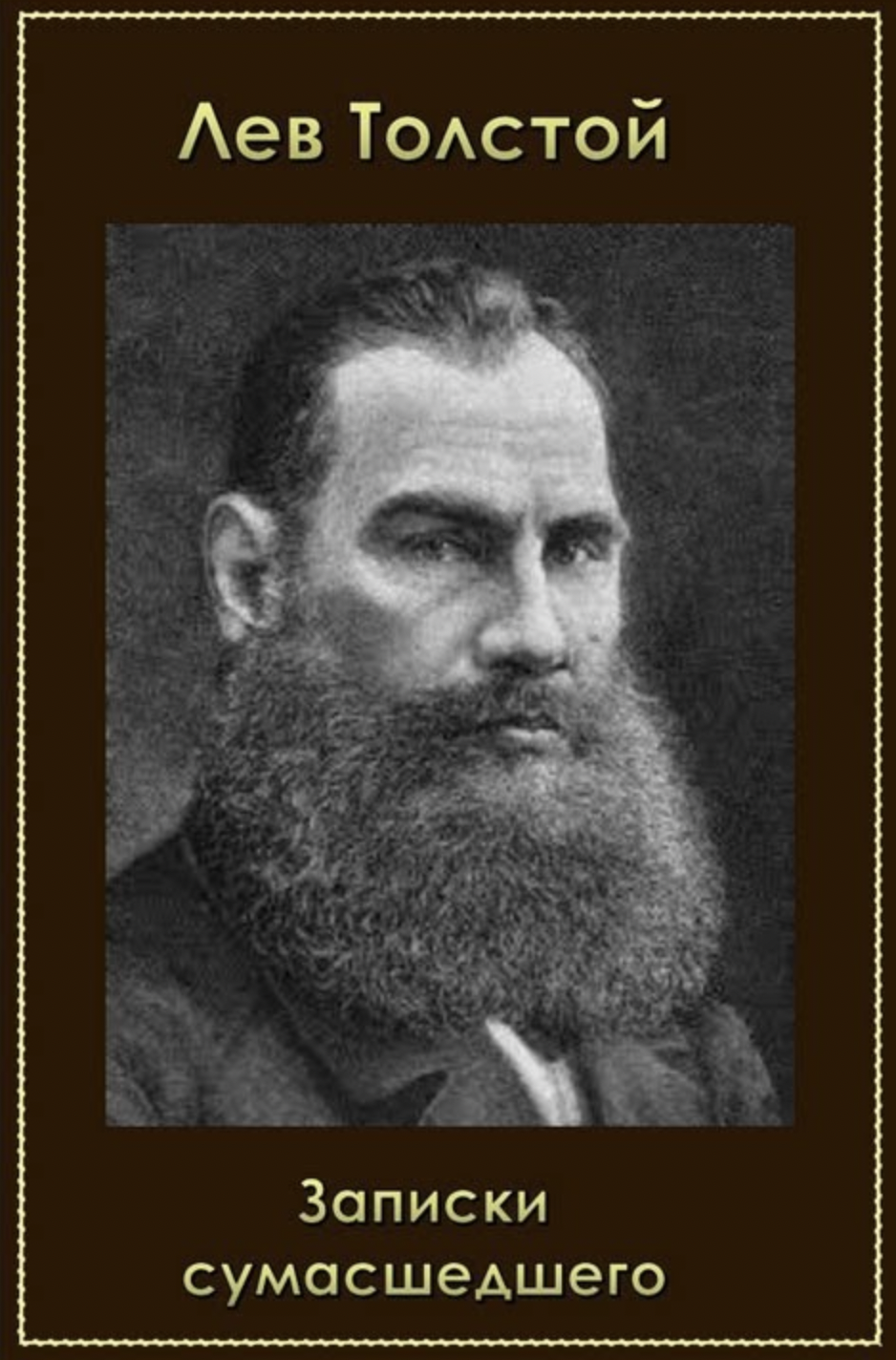
Tolstoy is, well, intimidating…
En général, en évoquant l’auteur, on visualise un énorme pavé, intitulé au choix “Guerre et Paix”, ou bien “Anna Karénine” et on pense : “pas pour moi”, “un jour peut-être”… un peu comme, lorsque nous étions enfants, nous repoussions un livre, car il ne comportait pas d’image.
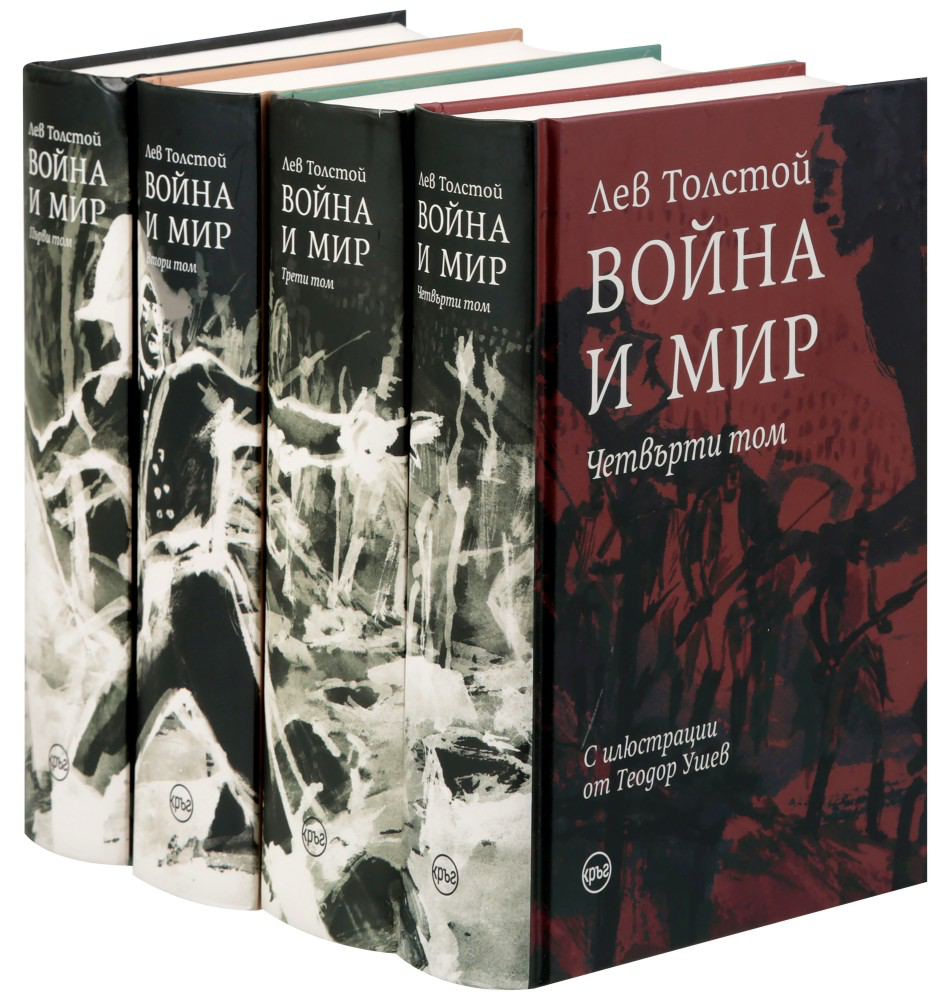
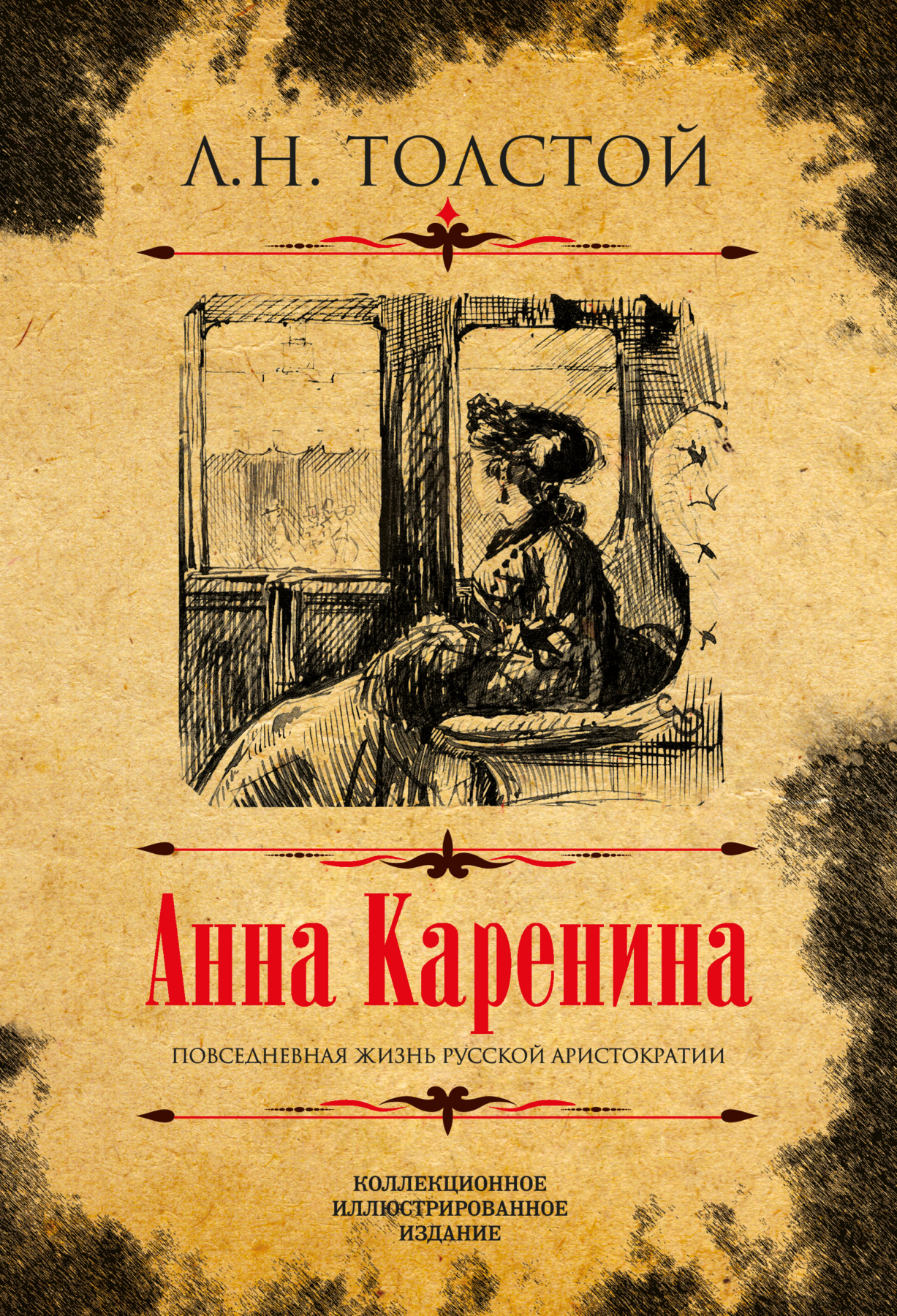
Il est vrai que ces “grands romans” sont à la fois inhabituels et un peu compliqués à démarrer : beaucoup de personnages, avec 3 à 4 désignations chacun (le prénom, le nom de famille, le patronyme et le surnom !)
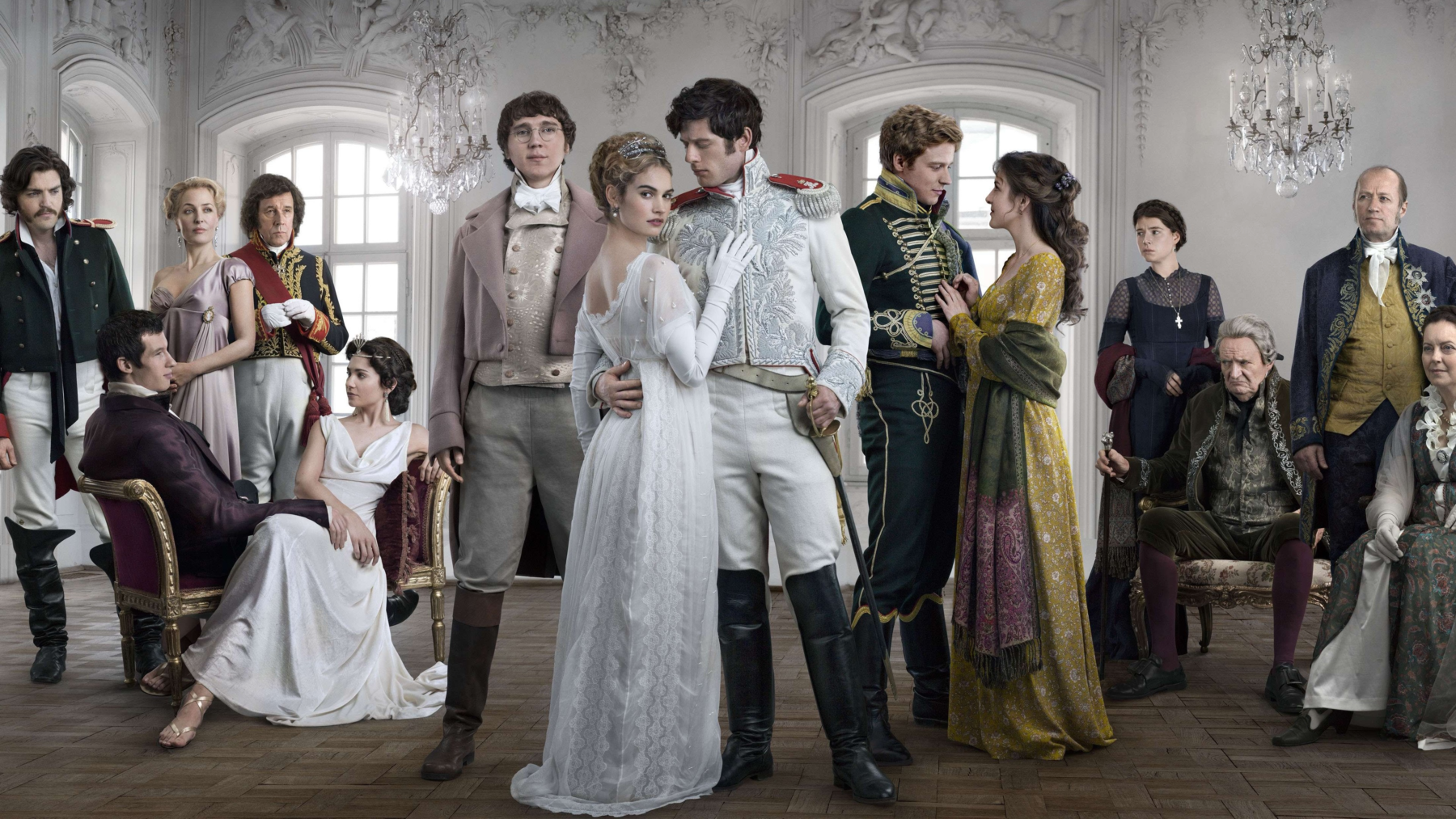
Characters in War and Peace, BBC version
Et pourtant, quelle qualité ! La pure littérature, dans ce qu’elle a de plus noble, à la fois d’un point de vue formel, du fond de l’histoire et de la finesse psychologique (étonnante) des monologues intérieurs (auxquels Tolstoï recoure assez souvent).
Mais il existe aussi des petites formes, dont seul le nom de l’auteur reste encore intimidant. C’est ainsi que, pour une raison inexpliquée, j’ai gardé plusieurs années dans la bibliothèque un recueil de nouvelles.
Or, depuis que j’ai résolu (sur les bons conseils de mon cher parrain Guillaume) de lire chaque soir au moins quelques pages de littérature, ce livre est devenu le candidat idéal !
And there are a few stories in it that might be shared in future posts, most notably :
- Polikushka : a social drama (quite typical of Tolstoy), which stays in the back of one's mind, long after reading it, thanks to its vivid images and the touching characters involved ;
- Kholstomier : l’histoire d’un hongre pie (absolument fascinante)
- Les deux hussards : une nouvelle, qui s’inscrit un peu dans l’atmosphère de Guerre et Paix
Mais aujourd’hui, je souhaite évoquer “Notes d’un fou”.
Ce texte est très court : une douzaine de pages. Pour l’introduire, il est intéressant de signaler deux choses :
- Tolstoï l’a rédigé dans les années 1884-85 (mais publié seulement post mortem). Pour le situer, “Guerre et Paix” datait des années 1863-69 et Anna Karénine de 1870-77. Autant dire qu’il était, à 56 ans environ, en parfaite maitrise de ses moyens littéraires.
- Il voulait tout d’abord l’intituler “notes d’un non-fou”. Et en effet, qui est fou, là-dedans ? Cela dit, cet indice un peu trop évident rentrait en contradiction avec le cœur de l’intrigue, dans laquelle, dès le départ, le personnage principal admet sa “folie”. Pour être précis, il indique qu’il doit bien être fou, puisque tout le monde le dit !
Dans cette histoire, donc, un homme se livre au lecteur, en évoquant sa vie et les circonstances qui l’ont irrémédiablement amené à devenir “fou”.
Naturellement (selon moi), cette folie est essentiellement affaire de perception de la part d’un environnement social et familial rigide, qui ne peut pas tolérer que l’on voit le monde différemment. Les usages sont la norme, la normalité est conforme. La luxure et le vice étant d’usages – vécus par notre narrateur dans sa jeunesse – ils sont donc normaux et le signe évident d’une bonne santé…
Au contraire, lorsqu’il se surprend à éprouver (dès l’enfance) une grande peine devant les paradoxes et les contrastes d’une société à la fois cul-béni mais qui agit à l’encontre de ce qu’elle prêche, ou qu’il constate la violence gratuite, il se sent si seul qu’il finit par penser être anormal et finalement malade.
Pire, alors qu’il convoite une propriété qu’il pourrait acheter à vil prix, en revendant une partie du terrain de manière à ce que cela ne lui coute presque rien (c’est-à-dire peu ou prou ce que font beaucoup de nouveaux propriétaires), quand il a enfin trouvé l’imbécile rêvé, il ressent une crise d’angoisse existentielle : “que fais-je ?” “Quel est bon but ?” “Quel est le sens de cette vie ?”
Cette angoisse s’exprimant de plus en plus régulièrement, notamment dans les moments les plus vains de son existence, il se voit sombrer lui-même dans un vide métaphysique, qu’il espère remplir de religiosité. Son entourage le comprend de moins en moins et veut le faire examiner.
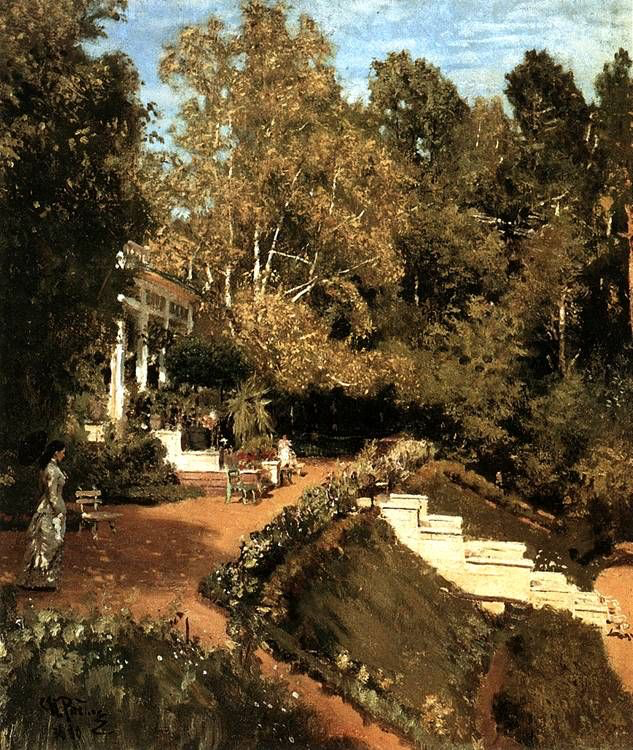
Une propriété bourgeoise : “Abramstevo”, Ilia Repine, 1880
Enfin, alors qu’il essaye une fois encore d’acheter un domaine à vil prix, c’est-à-dire en profitant de la misère d’autres gens et exploitant leur détresse, il se retrouve une fois encore comme bloqué intérieurement et ne peut agir conformément à ce que la raison et la société lui intiment pourtant de faire, sans ambages. La honte le saisit, son attitude le dégoûte et scinde sa psyché.
Alors que tout lui indique qu’il est devenu dingue (puisqu’un homme raisonnable ne se laisserait pas apitoyer de la sorte), une autre part de lui-même se laisse aller à l’illumination transfigurée et, pire encore, à la charité !
En l’écrivant, je mesure les associations d’idées attachées à ces derniers mots : illumination, transfiguration, charité. Effectivement, ils sonnent “fous”.
Rien n’a changé : l’homme est toujours un loup pour l’homme, et l’enrichissement est souvent (mais pas toujours) un effet d’exploitation d’une aubaine, d’une fructification d’un capital hérité. Du point de vue de la société, le vieil adage “trop bon trop con” est plus d’actualité que jamais.
Evidemment, cela résonne avec les choix de beaucoup d’entre-nous, soit qu’ils s’inscrivent du système et en tirent parti (les “gagnants”, comme on dit), ou bien qu’ils le rejettent (ceux “qui ne sont rien”, comme on dit aussi).
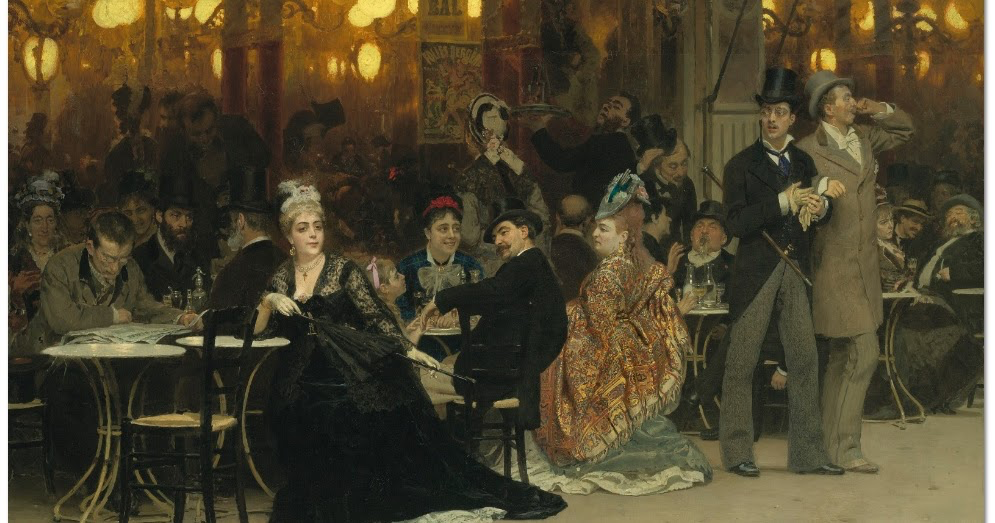
The good society : "A Parisian cafe", Illia Répine, 1874
Furthermore, spiritual values, and even any value at all seem abstruse and meaningless… Don't they ?
La force de ce récit réside moins dans une éventuelle morale que dans une question : après tout, si j’accepte que je mourrai irrémédiablement un jour, si je pars du principe que cette vie doit être la bonne, qu’il y a une différence entre le bien et le mal, qui veux-je être ? Que veux-je faire, laisser, transmettre et partager, dans cette vie ?
Si mes actions sont manifestement contraires à mes résolutions (par exemple que je prône le respect de l’autre, mais que je profite de l’exploitation de pauvres gens à l’autre bout de la planète, ou même dans le quartier d’à côté), alors qui suis-je ? Suis-je seulement Homme ? Comment rentrer en résonnance avec mes convictions ? Comment être en cohérence ?
Honnêtement, si la littérature permet de s’interroger, si l’art stimule ce type de réflexion, alors il n’est pas (ou plus) accessoire, bien au contraire. Dans cette société qui refuse de se remettre en question, il devient même essentiel !
Qu’en pensez-vous ?
V.
 English
  Français
2 responses to “Impressions : Notes d’un fou, de L. N. Tolstoï”
[…] je l’ai déjà écrit – et c’est presque banal : un vrai truisme* – Tolstoï en impose. Du haut de son […]
[…] (peut-être), j’apprécie les nouvelles en général : Tchekhov, Zweig, Andersen, Tolstoï (ici ou là), Daudet, Erich Maria Remarque, ou encore pour les contemporains Pete Fromm. N’ayant […]