I recently wrote impressions about one of Marcel Pagnol’s works, a screenplay (or rather a stage play) about human relationships… in prehistoric times! In my view, it is a story of exceptional quality
Naturally, within this universe, I also turned to the novel by the Franco-Belgian author J.-H. Rosny (the elder), written in 1909, and then, of course, to Jean-Jacques Annaud’s 1981 film adaptation. Both are the subject of this post.
The 1909 novel
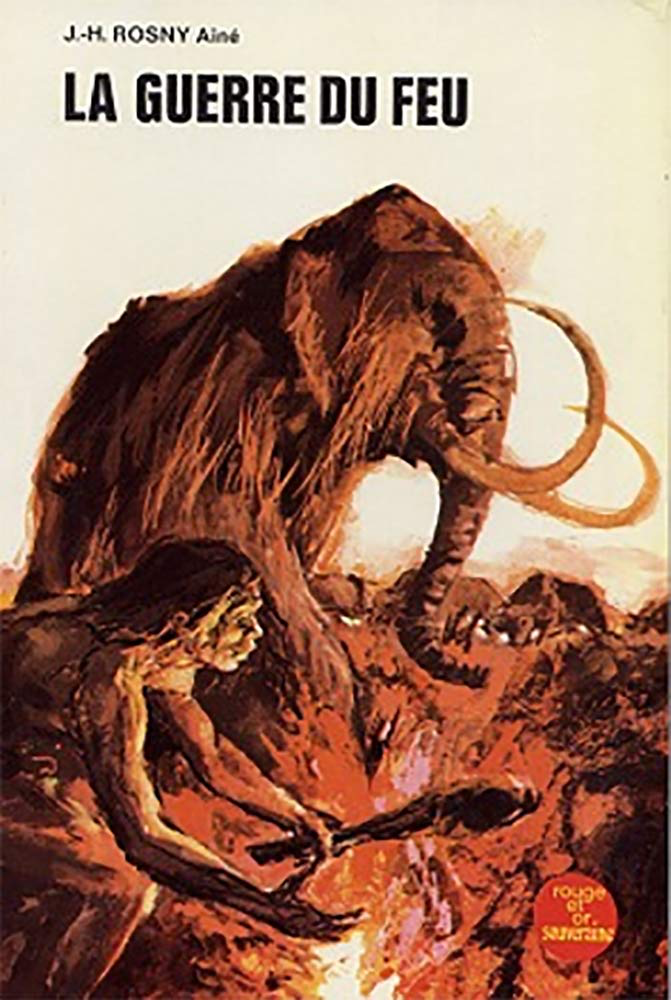
I propose applying the hamburger technique here: start with the nice bun, put the s#%t in the middle, and finish with the bun again. It’s much easier to digest that way!
First of all, this novel is very effective. It is gripping and interesting, and you feel transported to another world (one might even think of another planet), which is already very good!
The way the story is told, from a narrative and, I dare say, psychological point of view, works perfectly: you feel the tribe’s tension as it faces danger, and above all you share the experience of the main character, Naoh.
This fiction is clearly the result of extensive (pre)historical research, and that deserves praise too.
Is this novel literature?
Well, that is quite debatable.
From my point of view, there is nothing artistic in it.
Of course, it is not devoid of strong emotions, since it is an adventure novel… but in my view, it does NOT have an artistic dimension.
It is more akin to those early 20th-century novels such as Tarzan of the Apes (Edgar Rice Burroughs, 1912), or the first two volumes of Zorro (Johnston McCulley, 1919). Both examples share many similarities with Quest for Fire, notably a “pulp fiction” quality, in the original sense of serialized novels.
In other words, it is overall a fine work of fiction for teenagers, full of qualities, which leaves good memories as entertainment and thrilling impressions… This story is therefore thoroughly recommendable, even if it is not an artistic phenomenon.
The 1981 film
This is where the analysis becomes interesting from an artistic point of view.
Indeed, even though the film follows the book fairly faithfully, several points deserve a mention…
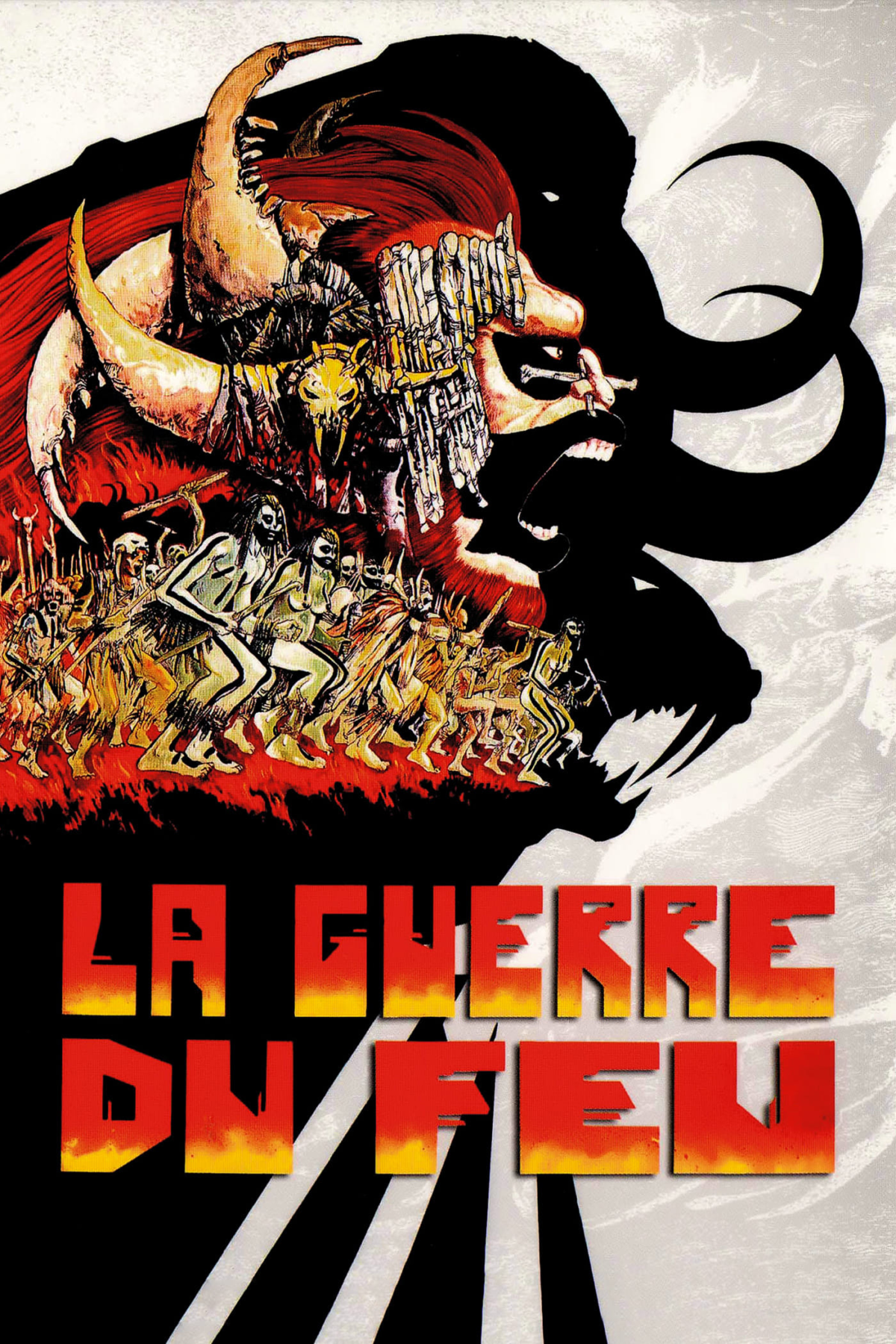
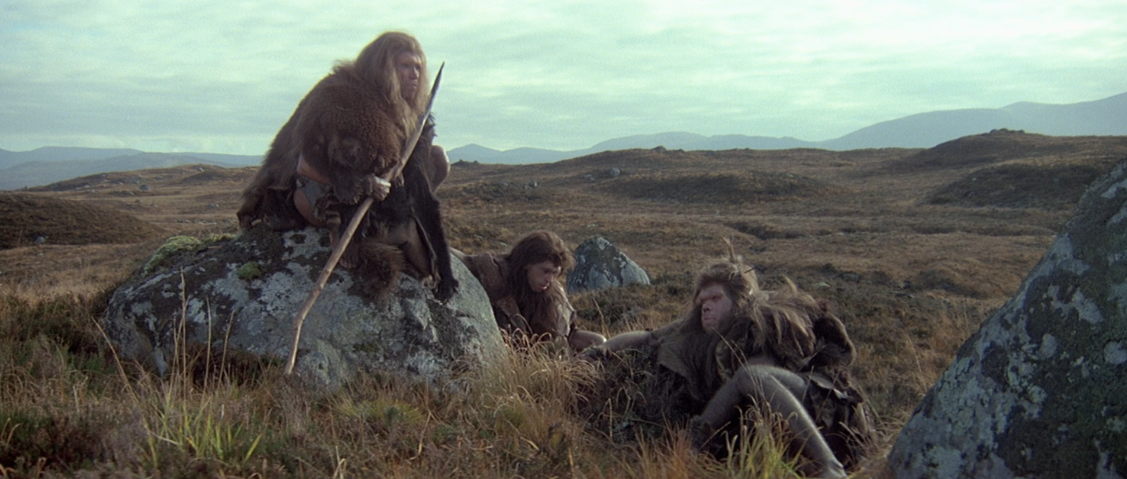
First of all, the film is very well directed, although it is strongly marked by its era (“the 80s”…).
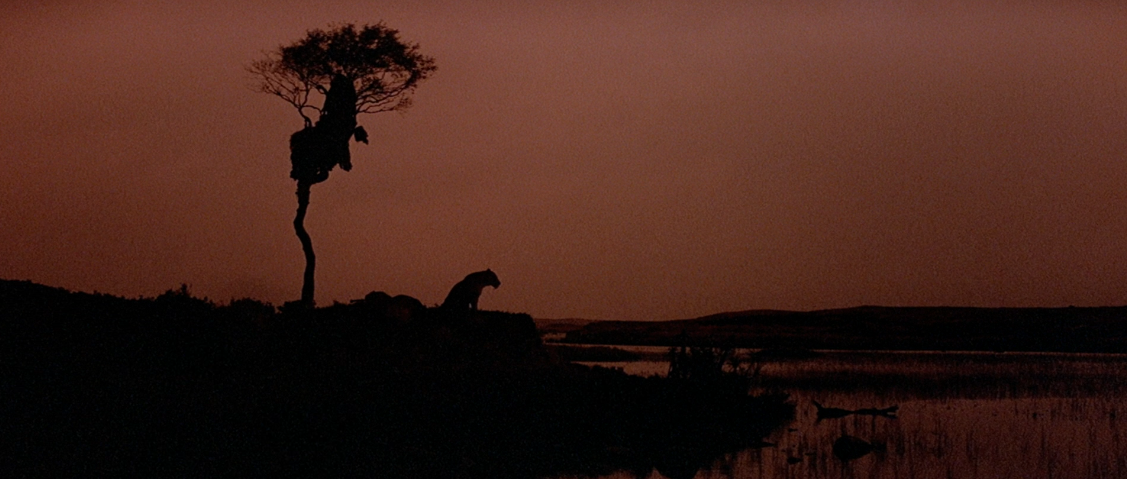
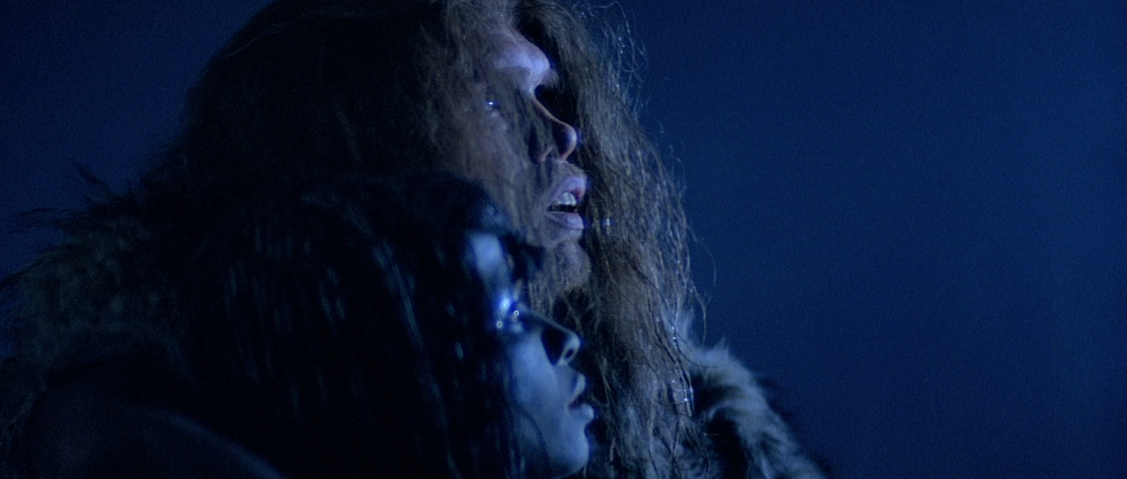
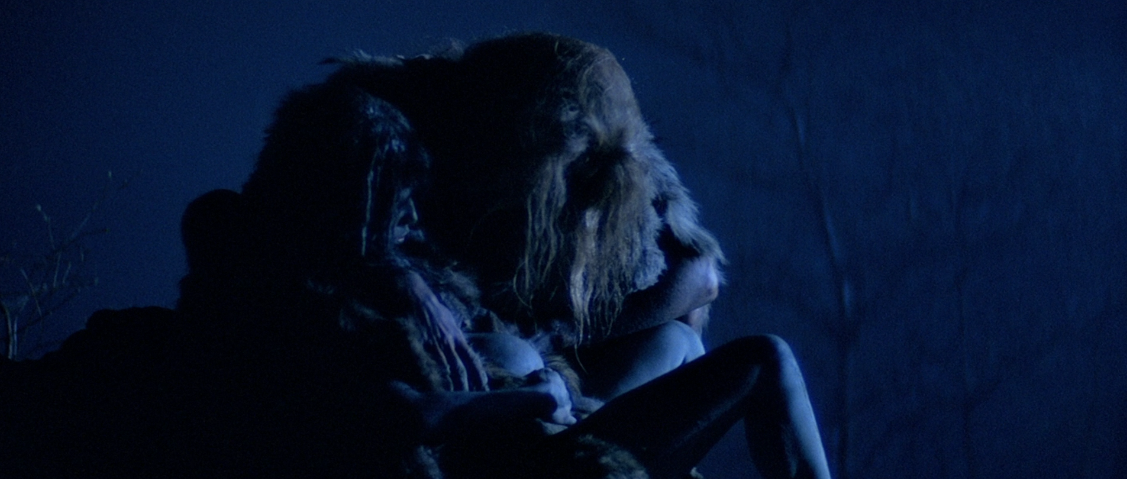
In particular, the cinematography is first-rate, in terms of composition above all, but also color, chiaroscuro, and so on. This produces an aesthetic satisfaction that, in itself, justifies watching the film.
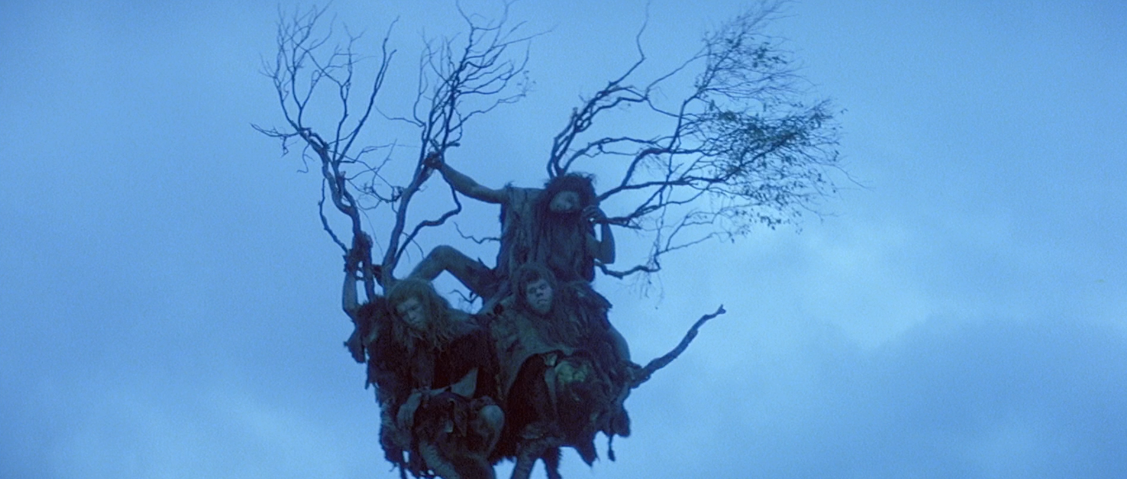
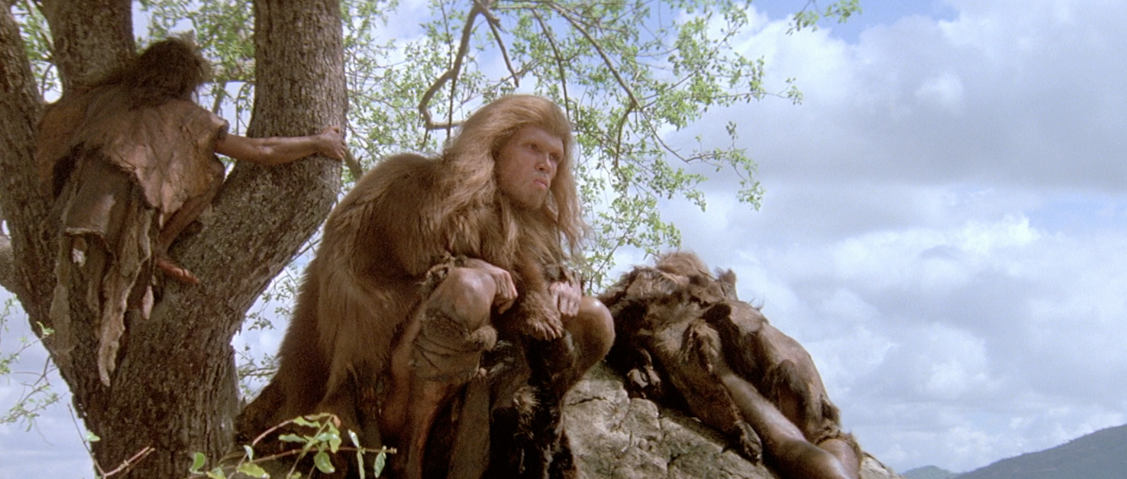
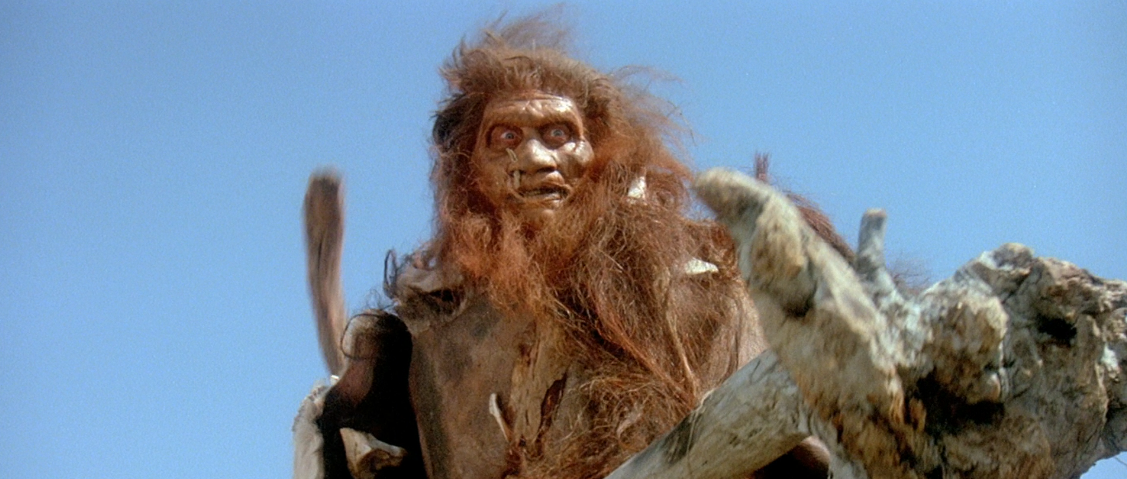
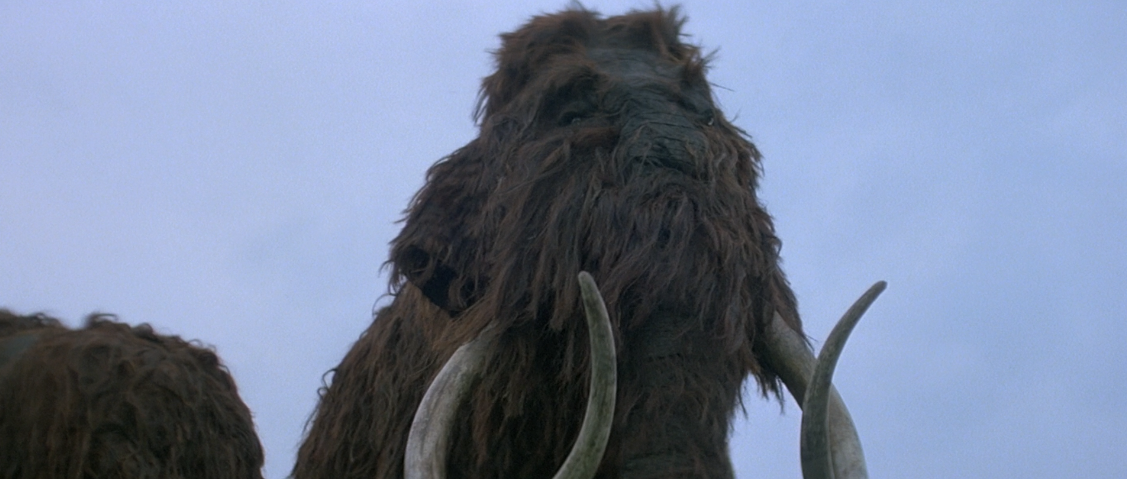
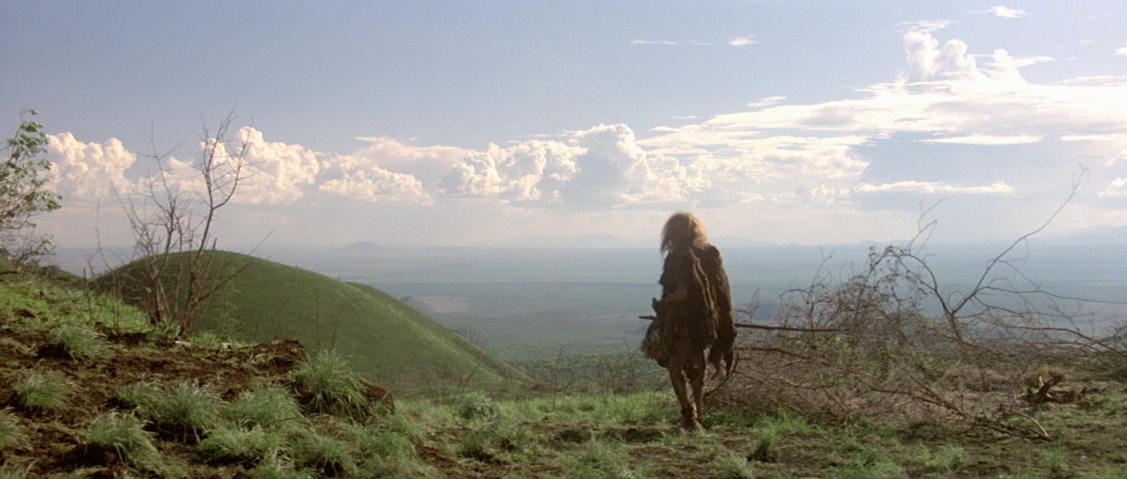
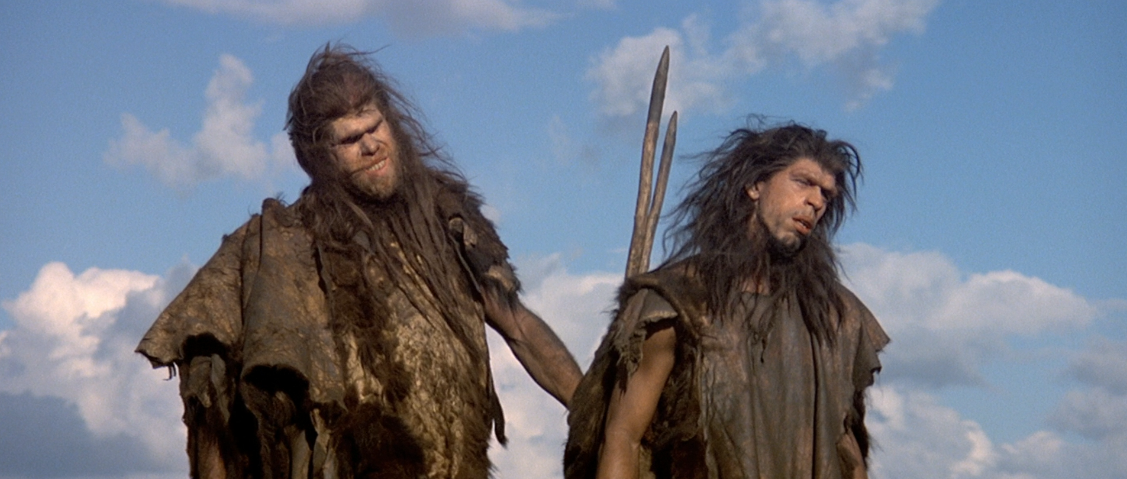
The other surprising point concerns the narrative, which sometimes departs very strongly from the original material, and for good reason: the screenplay invents several elements!
In general, this is a temptation that works poorly, but in this case, the good news is that these additions seem rather successful:
- The village of the “Ivaka”: in this part, the hero, then his companions, are welcomed into a local tribe's village. This sequence offers a whole range of rich situations for the narrative and for the film’s overall dynamic.
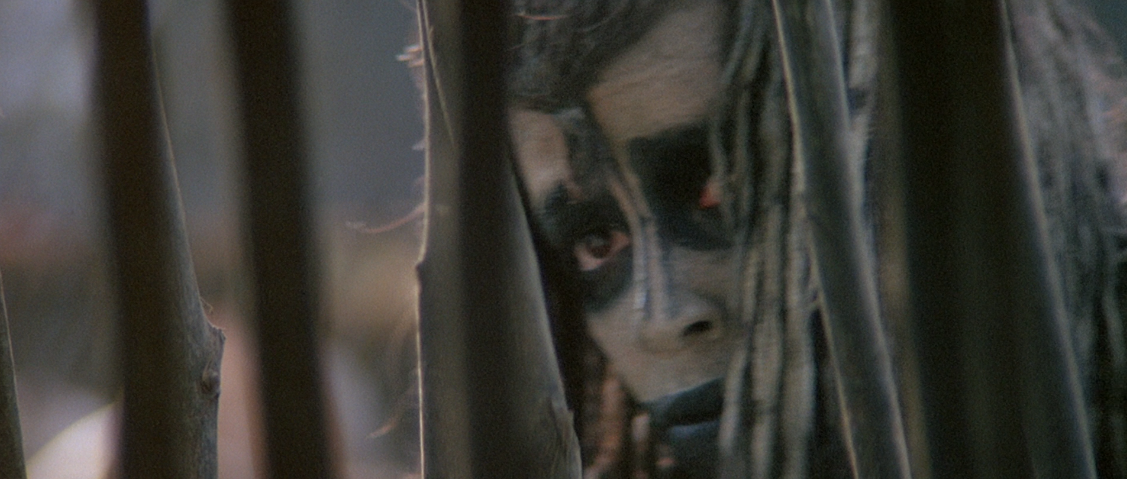
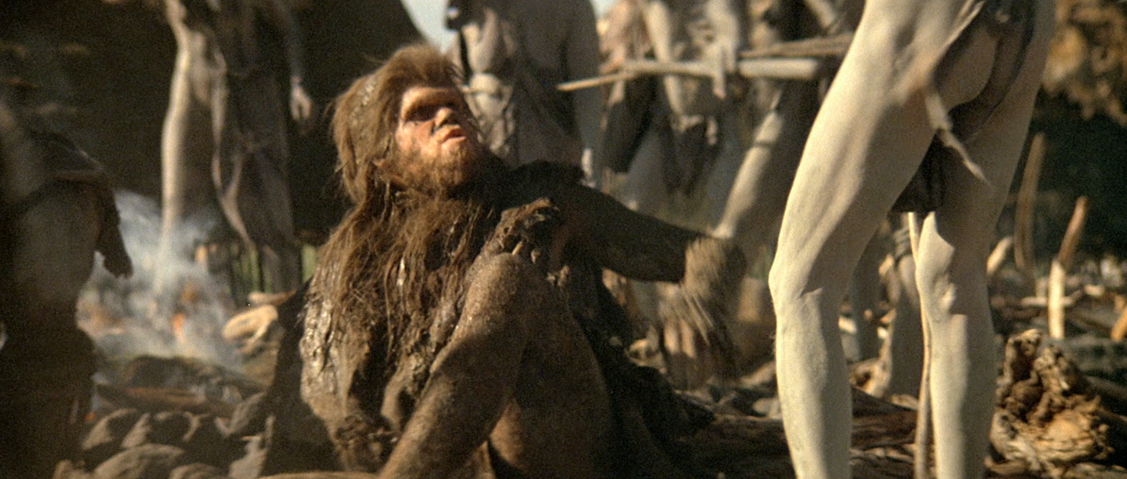
- The discovery of laughter: through contact with this tribe, the trio of adventurers learns to laugh! This is absolutely not in the novel, but it is a very interesting touch. At first it puzzled me and seemed a bit gratuitous, even facile, but all things considered, it makes perfect sense in the artistic scope of the work, since it is about humanity.
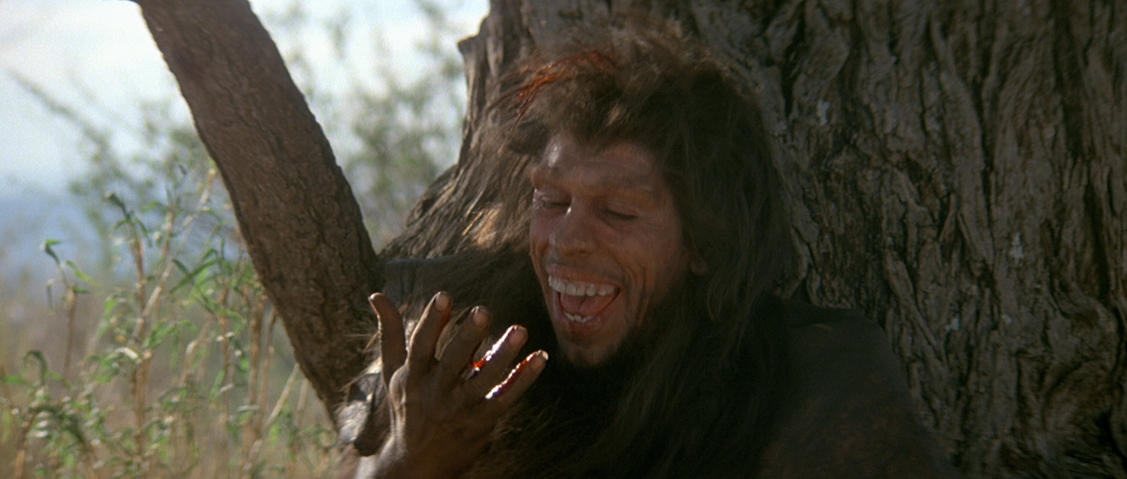
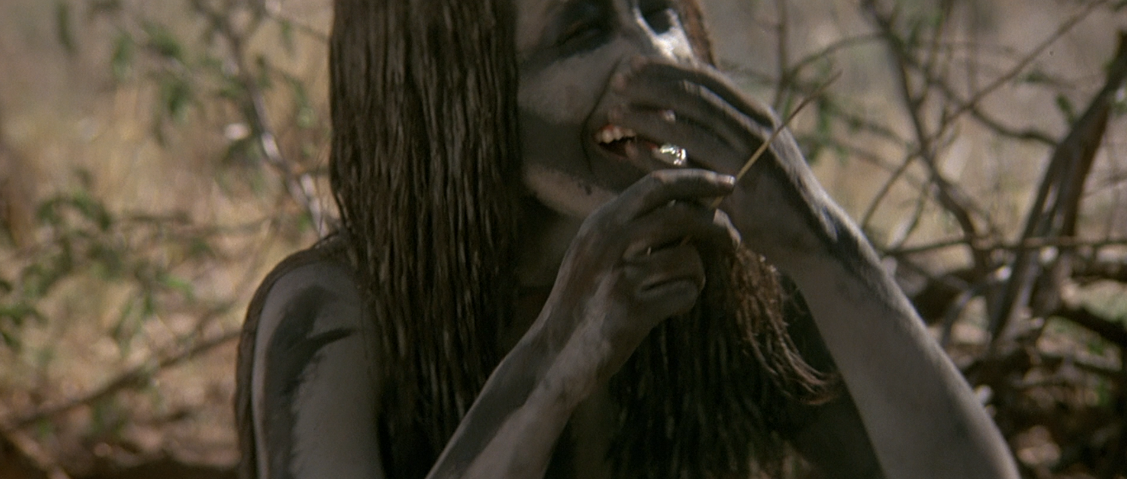
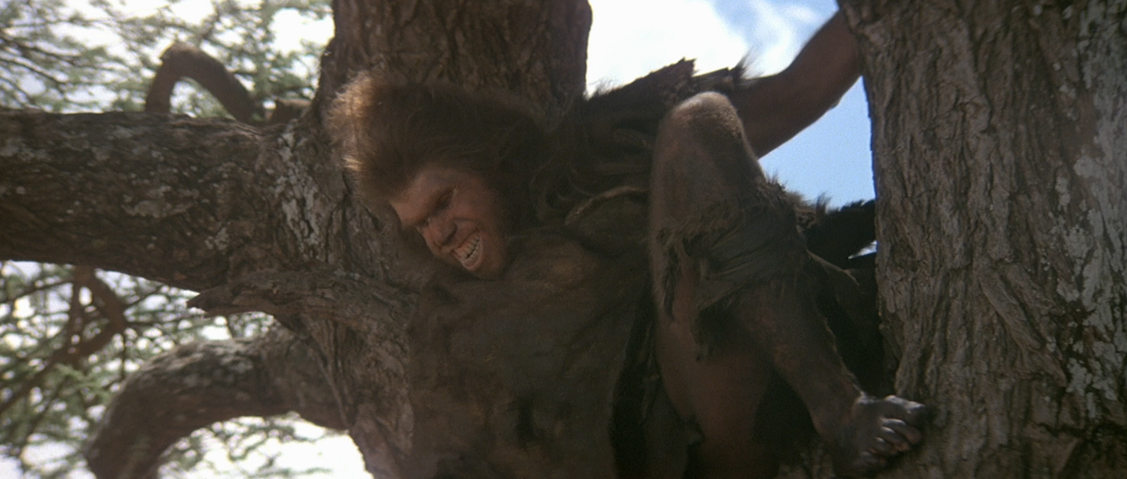
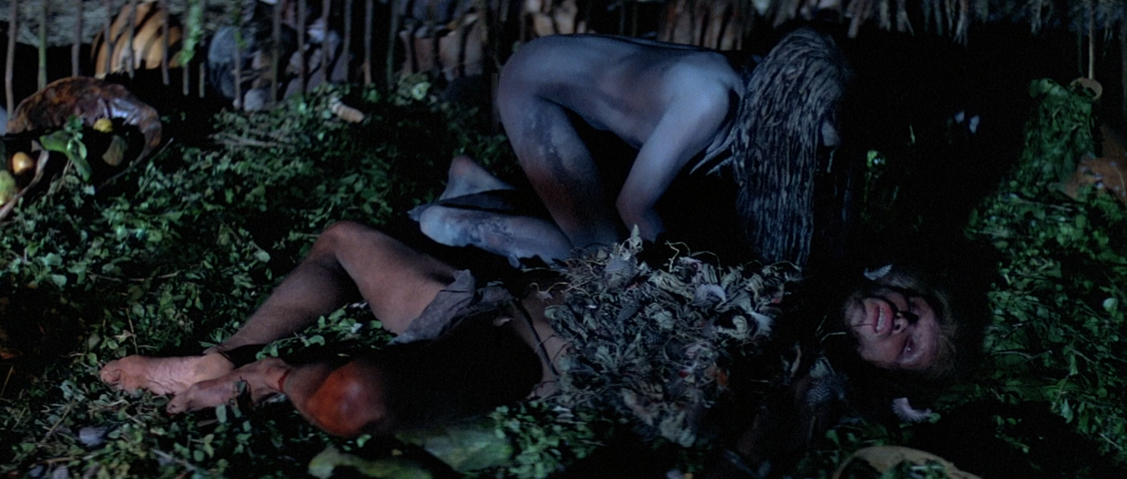
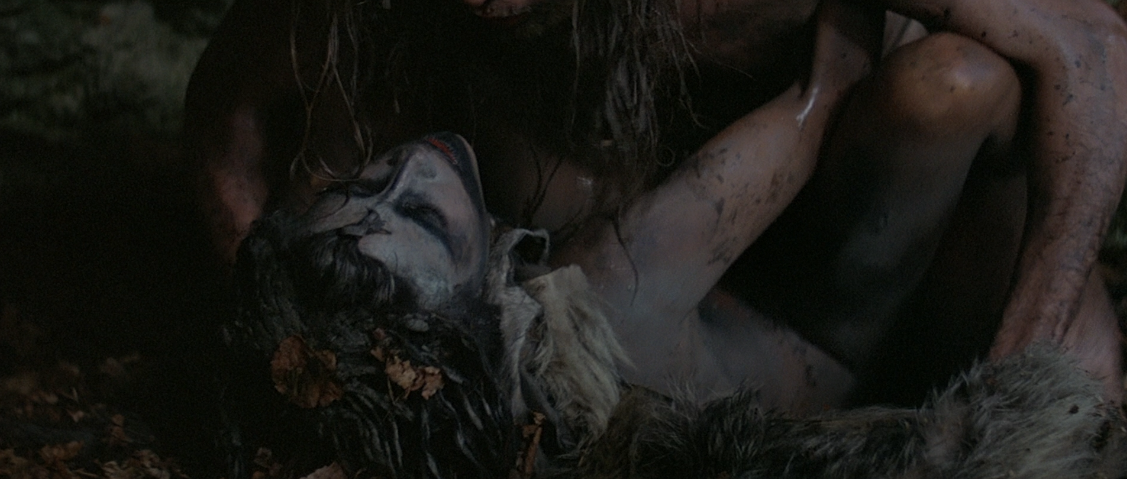
- Likewise, the film introduces the idea of the “beast with two backs”, that is, a sexual act, apparently desired by the woman, which speaks first and foremost of relationship (this is also where the 80s fashion resurfaces). It conveys a new notion, hitherto unknown to our protagonists: the prospect of love. Honestly, it’s still a good idea!
So yes, I readily admit that all of this is a little dated, but putting the film back in its early-80s context, I maintain that the result is very successful… and that the film crew managed to transform an adventure novel into an original work of art.
And that is truly remarkable!
Worth (re)discovering, then; what do you think?
 English
 Français